
Overview
HAZOP Study (Hazard and Operability Study) is a structured and systematic risk assessment method used to identify potential hazards, operability issues, and process deviations within industrial facilities.
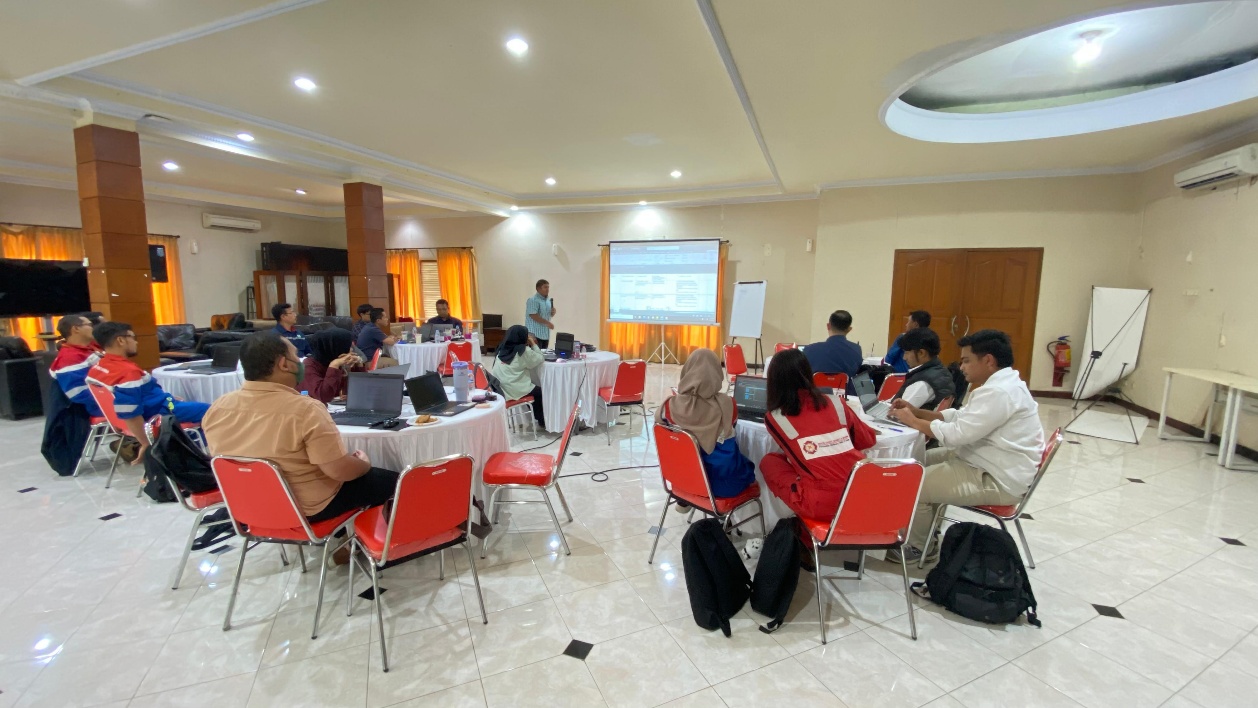
HAZOP Study (Hazard and Operability Study) is a structured and systematic risk assessment method used to identify potential hazards, operability issues, and process deviations within industrial facilities. Through a multidisciplinary, scenario-based review, HAZOP ensures that process design and operations comply with international safety standards while minimizing risks to people, assets, and the environment. Our HAZOP services deliver practical, actionable recommendations that enhance process safety, improve operational reliability, support regulatory compliance, and protect business continuity-making it a critical investment for safe, efficient, and sustainable engineering projects.
HAZID Study (Hazard Identification Study) is a structured and systematic risk assessment aimed at identifying potential hazards and major accident risks at an early stage of a project or facility lifecycle. Through a multidisciplinary and experience-based approach, our HAZID Study evaluates process, operational, safety, environmental, and external threats to ensure risks are recognized, assessed, and effectively mitigated. By delivering clear risk registers and practical recommendations aligned with international standards and industry best practices, we help clients enhance safety performance, ensure regulatory compliance, and optimize project reliability-providing a strong foundation for safe, efficient, and sustainable engineering solutions.